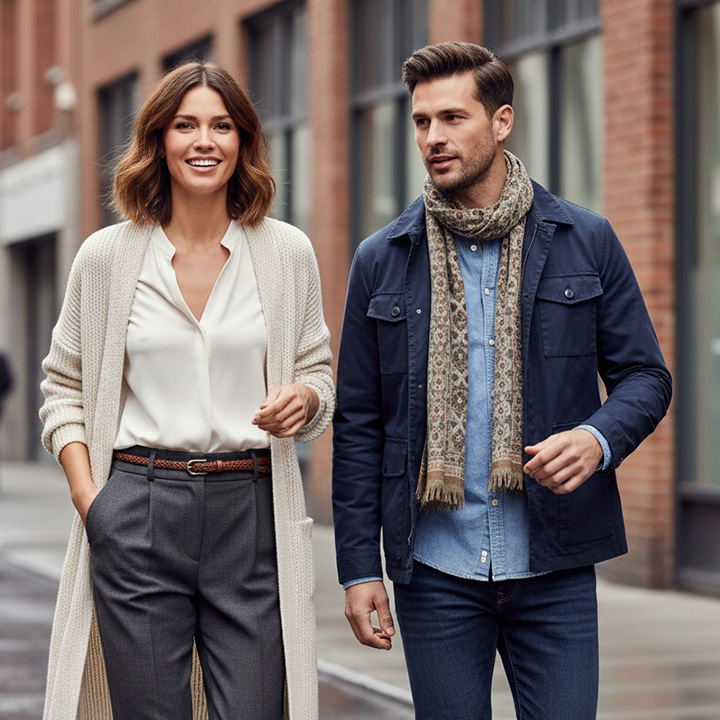
Smart Layering Techniques For Men & Women
Introduction
Layering is more than a practical styling method; it is an art that brings depth, balance, and personality to an outfit. When done thoughtfully, layering enhances visual appeal while allowing flexibility across different settings and weather conditions. For both men and women, mastering smart layering techniques helps create polished looks that feel effortless yet refined. The key lies in combining textures, proportions, and complementary pieces in a way that feels natural and harmonious rather than heavy or overwhelming.
Foundation First
Every well-layered outfit begins with a strong foundation. The base layer should feel comfortable and visually clean, setting the tone for everything added afterward. Lightweight tops, breathable fabrics, and neutral tones work best because they allow additional layers to stand out without competing for attention. A well-chosen base creates structure while maintaining ease of movement and everyday comfort.
Balanced Proportions
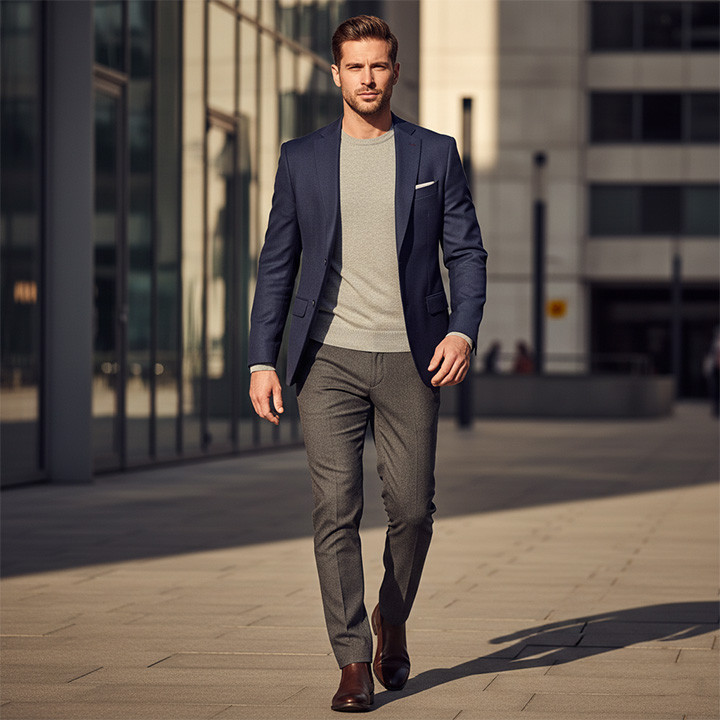
Successful layering depends on proportion. Combining fitted pieces with slightly relaxed outer layers creates a balanced silhouette that looks intentional and modern. Avoid stacking items of similar volume, as this can make an outfit appear bulky. Instead, think of layering as building dimension gradually, allowing each piece to complement rather than overpower the overall look.
Texture Play
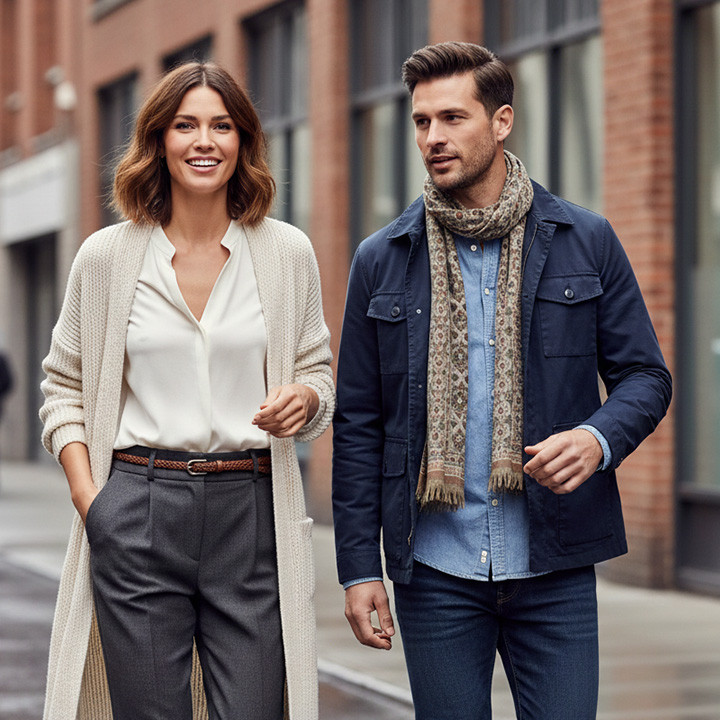
Texture adds character and visual interest to layered outfits. Mixing smooth fabrics with structured or soft materials creates contrast that elevates even simple combinations. For example, pairing a sleek inner layer with a textured jacket or knitwear introduces depth without relying on bold patterns. Thoughtful texture pairing brings richness to an outfit while maintaining sophistication.
Color Harmony
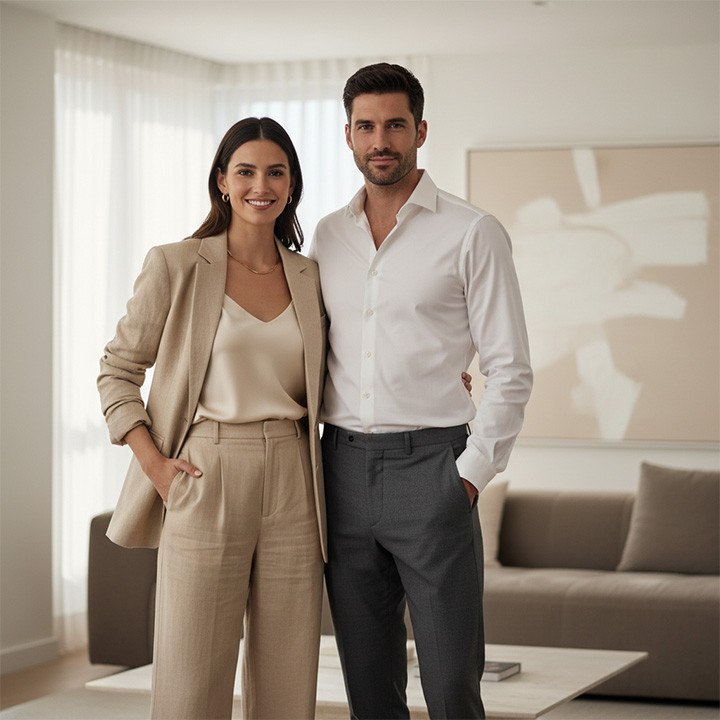
Color coordination plays a major role in smart layering. Choosing shades that belong to a similar palette helps maintain cohesion throughout the outfit. Neutral tones provide versatility, while subtle accent colors can introduce personality. Rather than using too many contrasting hues, focus on gradual color transitions that feel elegant and visually calming.
Seasonal Adaptation
Layering allows outfits to adapt effortlessly to changing temperatures throughout the day. Lightweight layers can be added or removed without disrupting the overall aesthetic. Breathable inner pieces paired with adaptable outerwear ensure comfort while preserving style. This flexibility makes layering a reliable approach for both casual and refined occasions.
Statement Layers
Outer layers often become the focal point of a layered look. Jackets, overshirts, or structured pieces can transform a simple outfit into something memorable. Choosing outerwear with clean lines and refined details enhances the entire ensemble.
Effortless Confidence
The ultimate goal of layering is confidence. When layers work together seamlessly, the outfit feels intentional and comfortable, allowing personal style to shine naturally. Experimenting with combinations helps develop an instinct for balance and harmony. Over time, layering becomes less about rules and more about expressing individuality through thoughtful styling choices.
Conclusion
Smart layering techniques empower both men and women to create versatile outfits that transition smoothly across moments and settings. With attention to proportion, texture, and color harmony, layering transforms everyday dressing into a refined expression of personal style, proving that elegance often lies in the details thoughtfully brought together.