How Fashion Influences Confidence In Men?
Introduction
Fashion plays a powerful role in shaping how individuals perceive themselves and how they are perceived by others. For men, clothing is no longer limited to practicality; it has become an important form of self-expression and identity. The right outfit can influence posture, mindset, and overall presence, creating a noticeable shift in confidence. When personal style aligns with personality and lifestyle, it builds a sense of assurance that extends beyond appearance. Fashion becomes more than dressing well — it becomes a silent language that communicates strength, clarity, and individuality in everyday life.
First Impressions
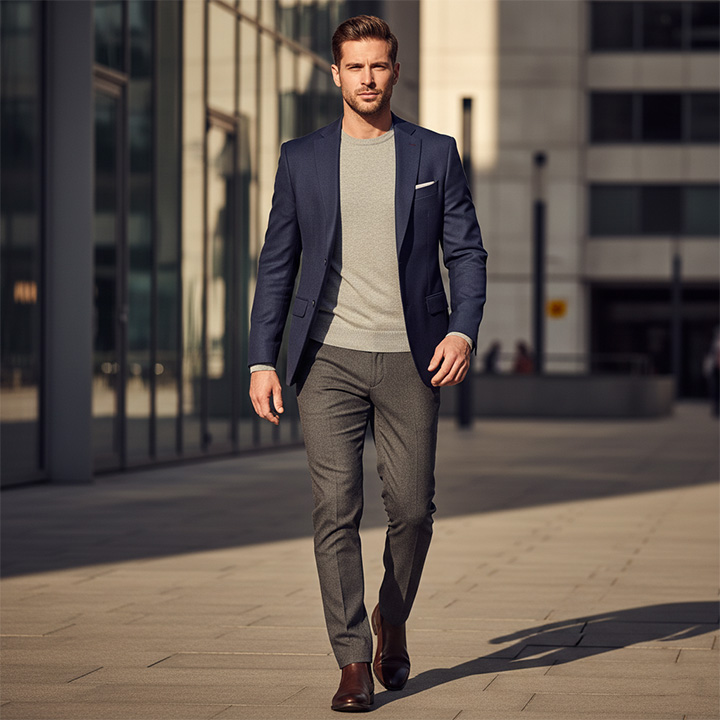
Clothing often forms the first visual impression during social and professional interactions. Well-coordinated outfits create an image of preparedness and attention to detail, which naturally enhances self-belief. When men feel confident about their appearance, they tend to engage more comfortably in conversations and carry themselves with greater ease. A polished look communicates reliability and purpose, encouraging positive responses from others. This external validation subtly reinforces internal confidence, helping individuals approach situations with composure and assurance.
Personal Identity
Fashion allows men to express their individuality without speaking. From minimal styles to bold fashion choices, clothing reflects personality, mood, and lifestyle preferences. Developing a consistent personal style helps create familiarity and comfort, making daily dressing decisions easier and more intentional. When clothing feels authentic to who someone is, it reduces self-consciousness and promotes confidence. Personal identity expressed through fashion empowers men to present themselves honestly while embracing their unique sense of style.
Psychological Impact
What people wear can directly influence how they feel mentally and emotionally. Wearing thoughtfully chosen outfits can elevate mood and increase motivation throughout the day. Structured and refined clothing often encourages a more focused and confident mindset, while relaxed styles can promote comfort and ease. This psychological connection between appearance and emotion creates a feedback loop: feeling good enhances confidence, and confidence further improves overall presence and behavior.
Social Influence
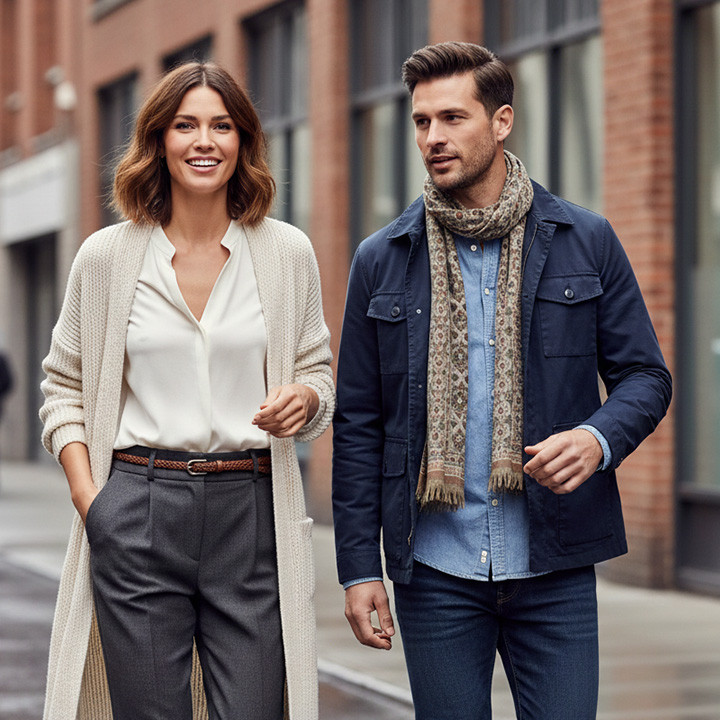
Fashion also affects how men interact within social environments. Dressing appropriately for different occasions helps individuals feel prepared and included, reducing uncertainty or hesitation. When clothing aligns with the setting, it allows attention to shift from self-awareness to meaningful interaction. Confidence grows when men feel they belong in a space, and fashion acts as a tool that bridges personal expression with social expectations. This balance strengthens both comfort and self-assurance in various environments.
Professional Presence
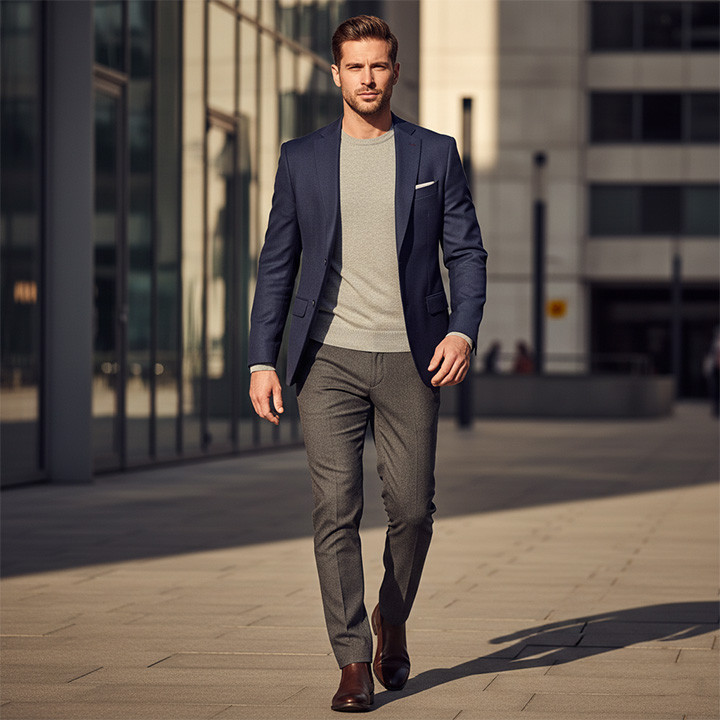
In professional settings, fashion can influence perception and performance. A refined appearance often encourages discipline and a sense of responsibility, motivating individuals to act with confidence and clarity. Clothing that feels polished can inspire stronger communication, improved posture, and a more assertive presence. When men feel well-presented, they are more likely to take initiative and express ideas confidently, reinforcing a positive professional identity.
Lasting Confidence
Ultimately, fashion influences confidence by creating harmony between inner self-image and outward presentation. It encourages men to invest in how they present themselves to the world, fostering pride and self-respect. Confidence built through personal style is not about trends but about feeling comfortable, authentic, and empowered. When fashion supports individuality and comfort, it becomes a daily source of motivation, helping men move through life with assurance, elegance, and quiet confidence.